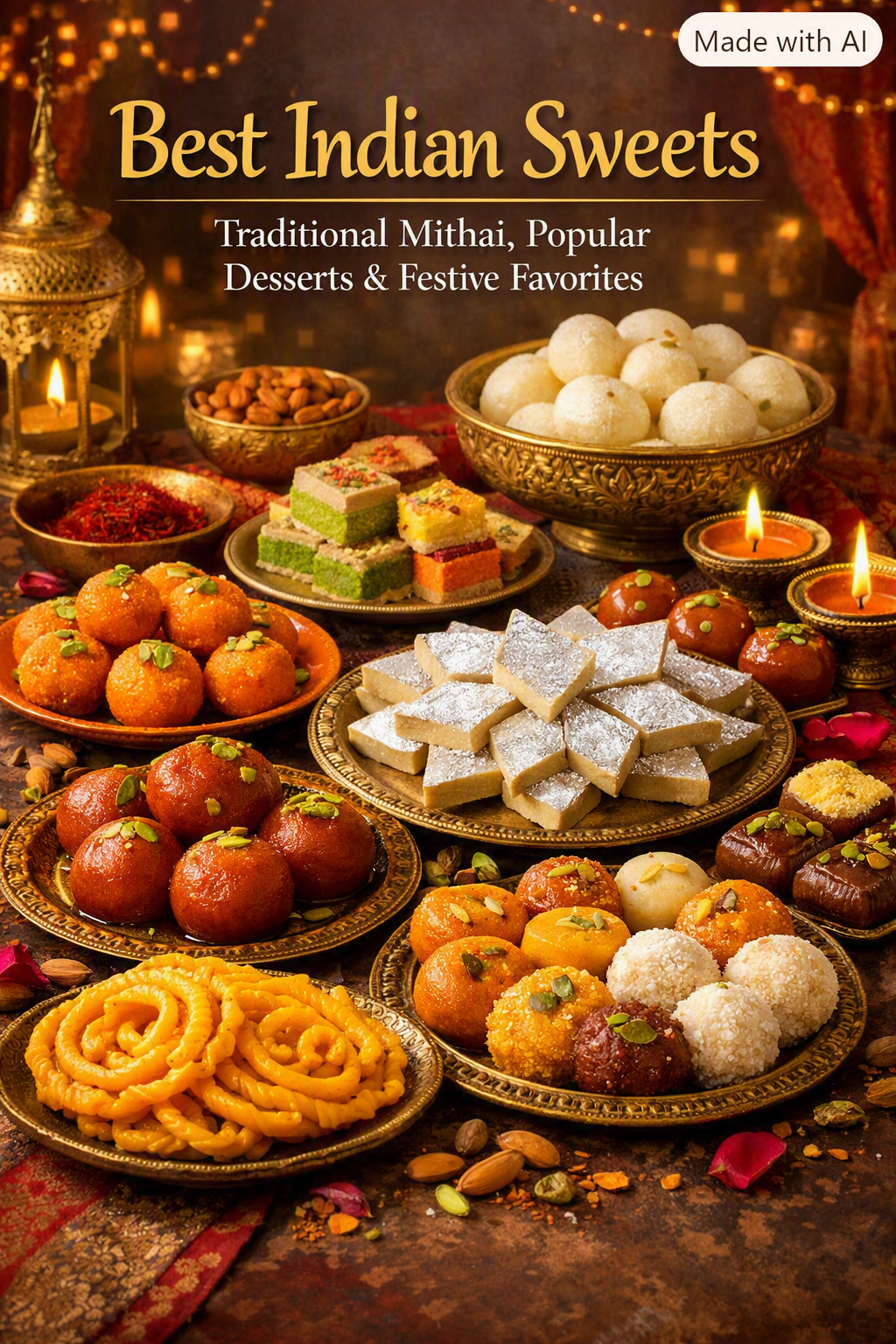
Indian sweets are much more than desserts—they are an important part of celebrations, family traditions, festivals, and everyday moments of happiness. From creamy gulab jamun and rich kaju katli to soft rasgulla and fragrant jalebi, Indian Sweets offer an incredible variety of flavors, textures, and ingredients. Every region of India has its own specialties, making Indian mithai a delicious reflection of the country’s diverse food culture.
Whether you are celebrating Diwali, Holi, Raksha Bandhan, a wedding, a birthday, or simply enjoying tea with family, sweets often have a special place on the table. If you are looking to explore the best Traditional Sweets or want to discover Popular Mithai, there are countless options to try.
One of the biggest reasons Indian sweets are loved across generations is their variety. Different regions use locally available ingredients and traditional cooking techniques to create unique desserts.
Milk, khoya, paneer, gram flour, rice, coconut, nuts, jaggery, sugar, and aromatic spices are commonly used in Indian desserts. Ingredients such as cardamom, saffron, rose water, pistachios, almonds, and cashews add distinctive flavors and aromas.
Another special feature of Indian sweets is their connection with celebrations. Offering mithai to guests is considered a warm gesture of hospitality, while sharing sweets during festivals symbolizes happiness, prosperity, and togetherness.
Gulab jamun is one of the most recognizable Popular Mithai in India. These soft, round dumplings are traditionally prepared using khoya or milk solids, shaped into small balls, fried until golden, and soaked in a sweet sugar syrup.
The syrup is often flavored with cardamom, rose water, or saffron. Gulab jamun can be served warm or chilled and is especially popular during weddings, festivals, and family celebrations.
Its soft texture and rich sweetness make it a favorite among both children and adults.
Kaju katli is another beloved choice among Indian Sweets. Made primarily with cashews and sugar, this diamond-shaped sweet has a smooth, melt-in-the-mouth texture.
Often decorated with edible silver leaf, kaju katli is especially popular during Diwali and other festive occasions. Its elegant appearance also makes it a popular gift when visiting friends, relatives, or business associates.
For people who prefer nut-based desserts, kaju katli is one of the best traditional mithai choices.
Originating from the eastern part of India, rasgulla is made from chhena, a type of fresh cottage cheese. The soft balls are cooked in a light sugar syrup until they become spongy and juicy.
Compared with richer milk-based sweets, rasgulla has a lighter texture and refreshing sweetness. It is commonly enjoyed chilled and remains one of the most famous Indian desserts.
Jalebi is instantly recognizable because of its bright color and spiral shape. A fermented flour batter is piped into hot oil, fried until crisp, and then dipped into sugar syrup.
The result is a combination of crispy texture on the outside and juicy sweetness inside. Jalebi is particularly popular at fairs, festivals, weddings, and roadside sweet shops.
It is often served with rabri or enjoyed alongside hot milk, making it a classic Indian dessert experience.
Ladoos are an essential part of Indian sweet culture, and motichoor ladoo is among the most popular varieties. Tiny fried gram flour pearls, known as boondi, are combined with sugar syrup and shaped into round ladoos.
Their vibrant appearance and rich flavor make them especially popular during
Diwali, weddings, religious celebrations, and other auspicious occasions.
Ladoos are also commonly offered as prasad during religious ceremonies, giving them cultural importance beyond their taste.
Rasmalai is a luxurious milk-based dessert made with soft chhena patties soaked in sweetened, flavored milk. Cardamom, saffron, almonds, and pistachios are often added to enhance its flavor.
Its creamy texture and delicate sweetness make rasmalai a favorite for special occasions. Served chilled, it is particularly enjoyable during celebrations and festive meals.
Mysore pak showcases the diversity of Traditional Sweets from South India.
Traditionally prepared with gram flour, ghee, and sugar, this sweet has a rich and crumbly texture.
The generous use of ghee gives it a distinctive aroma and richness. Mysore pak is particularly associated with Karnataka and has become popular throughout India.
Peda is a classic milk-based sweet with a soft, slightly grainy texture. Traditionally made from khoya, sugar, and cardamom, peda is available in several variations.
Mathura peda and Dharwad peda are among the well-known regional varieties.
Because of its association with temples and celebrations, peda is also frequently purchased as prasad or festive mithai.
Soan papdi has a unique flaky texture that sets it apart from many other Indian desserts. It is generally prepared using gram flour, flour, sugar, ghee, and nuts.
Although its texture is delicate and airy, its flavor is rich and aromatic. It is commonly sold in boxes and is a familiar choice for gifting during festivals and special occasions.
Gajar ka halwa is one of the most loved Indian desserts, especially during winter. Fresh carrots are slowly cooked with milk, sugar, and ghee, then garnished with almonds, cashews, pistachios, or other nuts.
The slow cooking process allows the carrots to absorb the richness of the milk and ghee while developing a deep, comforting flavor. Warm gajar ka halwa is a popular choice during winter gatherings and festive meals.
While sweets are primarily enjoyed for their taste and cultural significance, many traditional recipes contain ingredients that can contribute nutrients to the diet when consumed in moderation.
Milk-based sweets can provide protein and calcium, while sweets containing nuts such as almonds, pistachios, and cashews provide healthy fats, protein, minerals, and other nutrients. Desserts made with ingredients such as coconut or sesame can also provide useful nutrients.
However, most mithai are also high in sugar and calories, so portion control is important. Enjoying smaller portions as part of a balanced diet allows you to appreciate these traditional foods without overindulging.
When selecting Indian Sweets, consider freshness, ingredients, texture, and the occasion. For gifting, dry sweets such as kaju katli, ladoos, peda, and soan papdi are convenient choices because they are generally easier to package and transport.
For family gatherings, you can choose a combination of milk-based sweets, syrupy desserts, and nut-based mithai so everyone has different options to enjoy.
If you are looking for a more traditional experience, regional sweets are also worth exploring. From Bengali rasgulla and South Indian Mysore pak to North Indian peda and Punjabi-style desserts, India's sweet traditions are incredibly diverse.
The popularity of Indian Sweets comes from more than their sweetness. They represent memories, celebrations, family traditions, hospitality, and India's rich culinary heritage. Every mithai has its own story, ingredients, preparation style, and cultural connection.
Whether you prefer the richness of gulab jamun, the elegance of kaju katli, the softness of rasmalai, the crispiness of jalebi, or the comforting taste of gajar ka halwa, there is an Indian dessert for every occasion.
Exploring Traditional Sweets and Popular Mithai is also a wonderful way to discover India's regional food culture. From everyday treats to festive favorites, these desserts continue to bring people together and add sweetness to life's most memorable moments.
So, the next time you are celebrating a special occasion—or simply want to enjoy something delicious—explore the wonderful world of Indian mithai and discover a traditional favorite that suits your taste.

Discover the world of **diffuser oils** and learn about their types, benefits, uses, and fragrance options. From floral and citrus to woody and herbal scents, explore how **aromatherapy diffuser oils** can create a pleasant and relaxing atmosphere at home. Learn how to choose the **best diffuser oils** based on fragrance, room, ingredients, and personal preferences.

Discover how **Home Fragrance Diffusers** can transform your living space with long-lasting and inviting aromas. Learn about different types of **Fragrance Diffusers**, popular fragrance options, their benefits, and how they can enhance your home’s ambience. From reed and ultrasonic diffusers to floral, woody, citrus, and fresh fragrances, explore the options available for every room. Find simple tips to choose the **Best Diffuser for Home** based on your space, fragrance preference, and lifestyle.

Discover how **Room Sprays** can refresh your home with pleasant and inviting fragrances. Learn about the benefits, popular scents, everyday uses, and tips for choosing the **Best Room Sprays** for different spaces. From floral and citrus to woody and herbal fragrances, find out how a **Room Freshener Spray** can enhance your indoor atmosphere. Explore simple ways to choose and use room sprays for a fresher, more comfortable home.


